What Causes Skin Irritation From Bras and Underwear?
Sensitive skin irritation from bras or underwear often results from a combination of factors, including heat, trapped moisture, repeated rubbing, tight pressure, fabric composition, garment construction, and personal skin sensitivity. Small details like seam placement, elastic edges, or the material closest to the skin can noticeably affect everyday comfort.
Friction, Pressure Points and Repeated Rubbing
Friction-related irritation occurs when a bra or underwear repeatedly rubs against the skin. Tight bands, narrow straps, underwire pressure, elastics and seam placement can create localised pressure points. This is often worse under the breasts, around the underband, at the straps and around the leg openings of briefs, and may be more noticeable with larger busts, exercise, heat and prolonged wear.
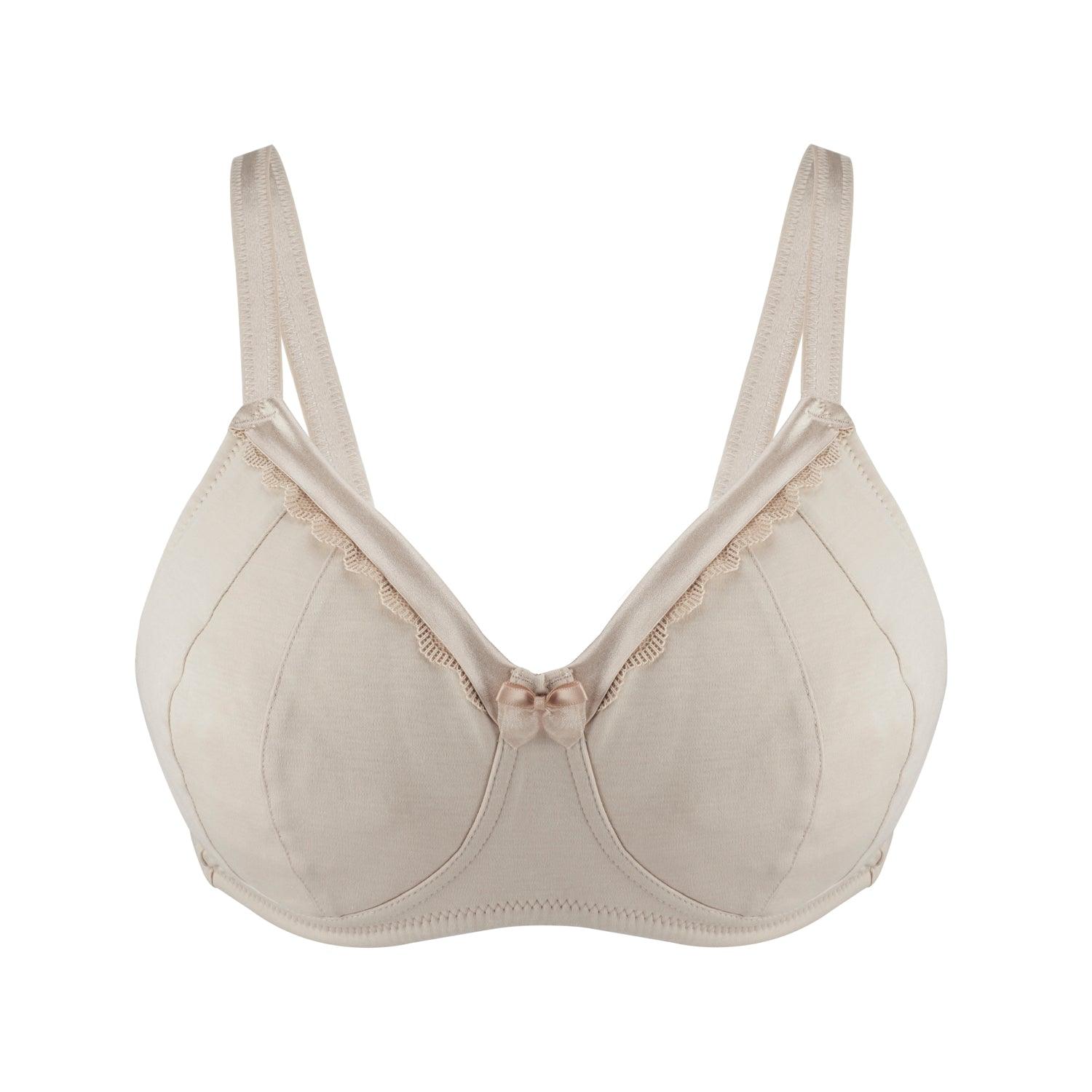
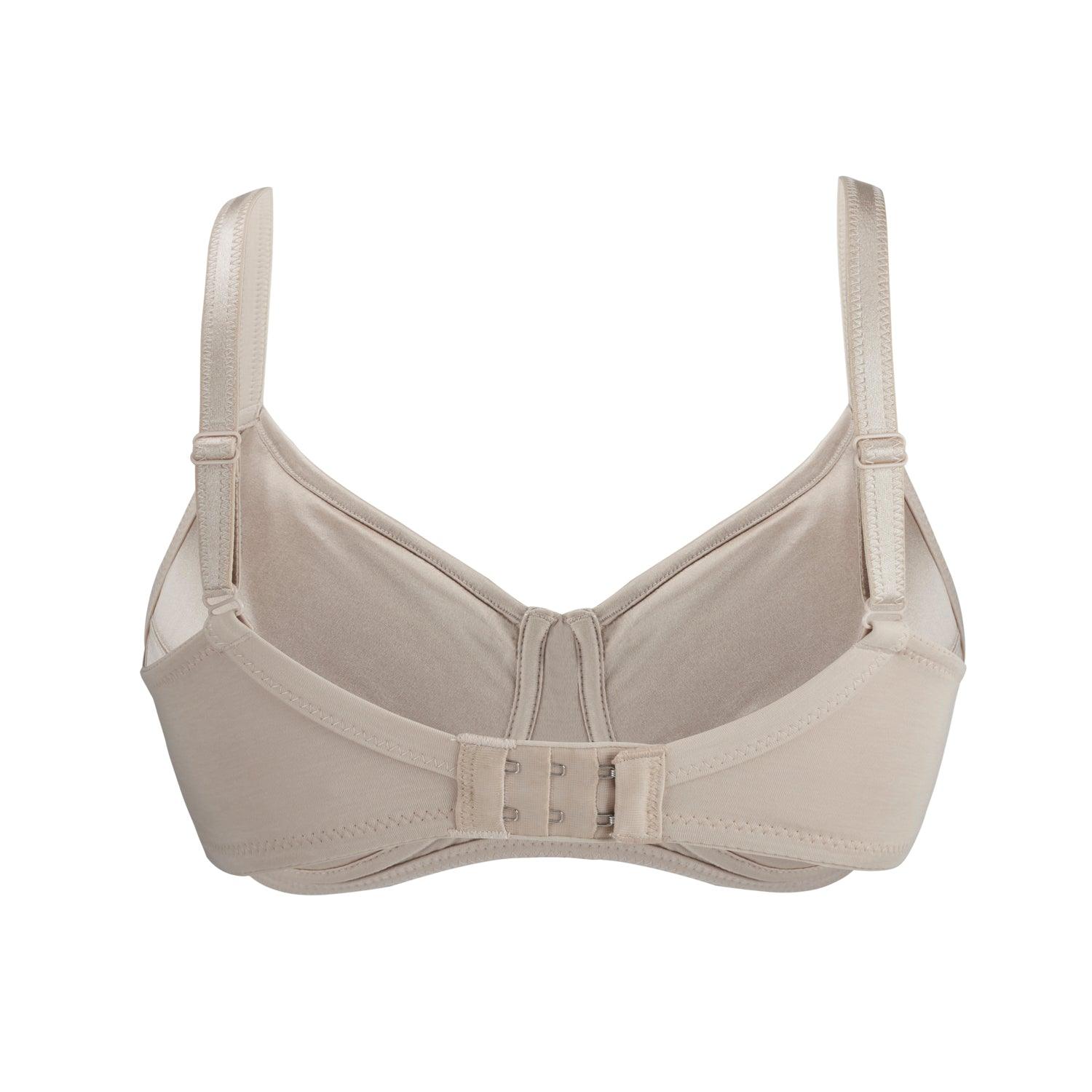
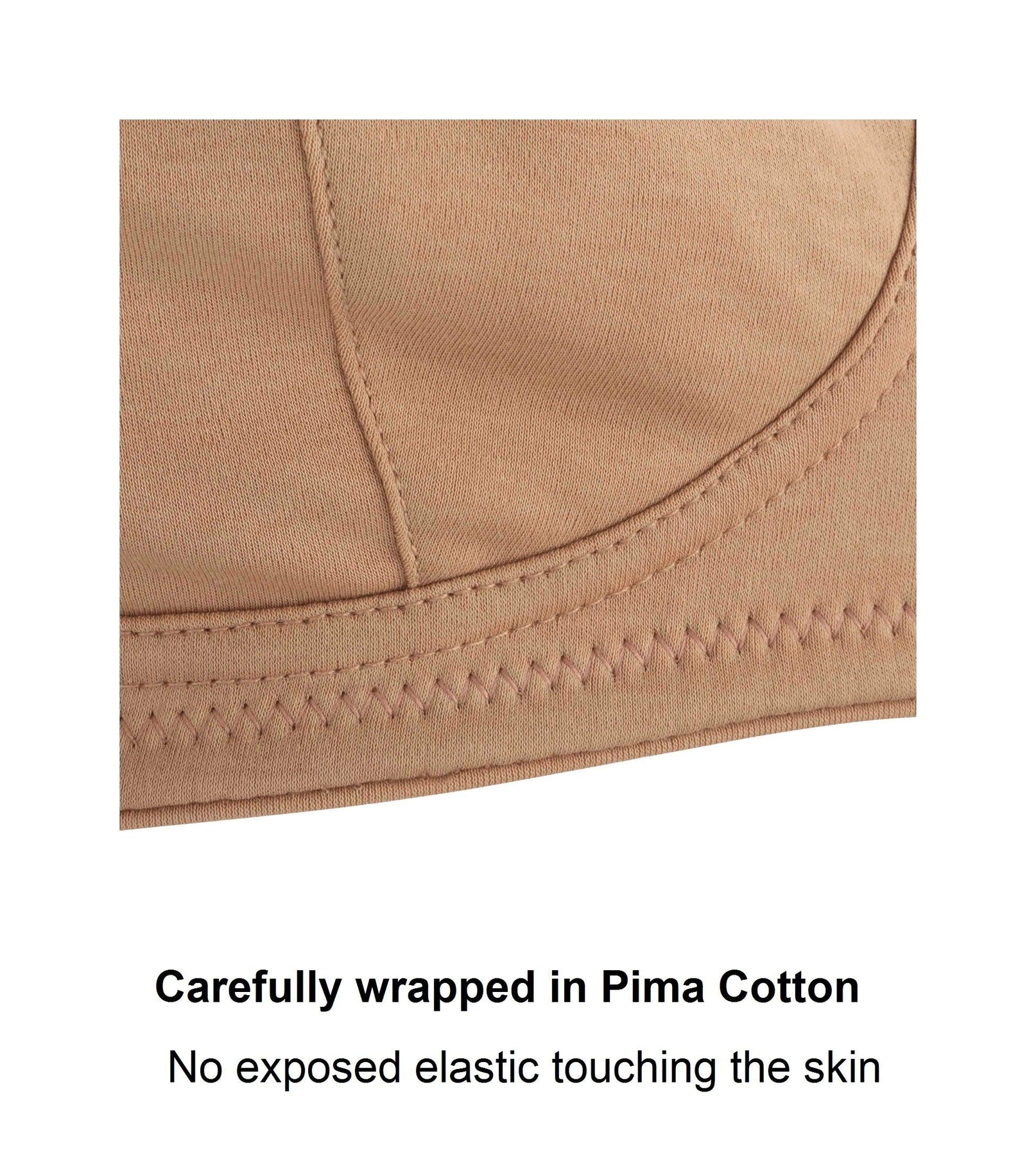
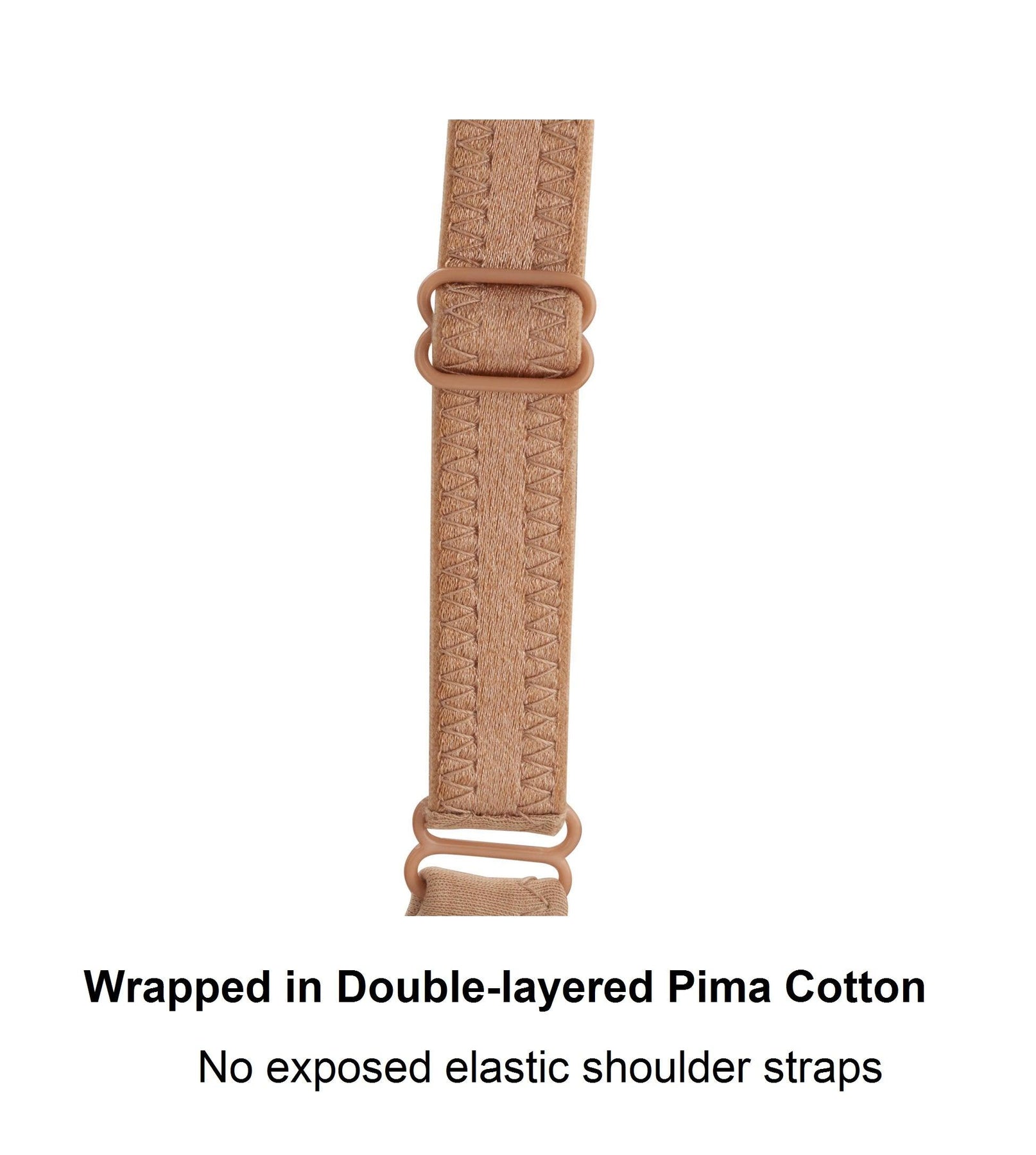
JulieMay addresses friction through construction. Straps, underbands and waistbands are wrapped in double-layered Pima cotton to create a smoother surface for skin contact. Seam construction keeps the inside of the garment smooth with enclosed seam finishing, and in selected briefs silk is used around the leg openings. Where underwire is used, JulieMay opts for flexible wire so it feels less rigid against the body, and tagless printing replaces sewn-in labels. Every JulieMay bra is handmade with highly skilled craftsmanship, a process that can take significantly longer than producing a standard moulded bra.
Sweat Retention and Moisture Build-Up
Sweat and trapped moisture can play a major role in skin irritation, especially in warm environments or in areas where skin is naturally occluded, such as under the breasts or around intimate areas. Fabric choice matters here, which is why JulieMay uses breathable, skin-friendly materials such as Pima cotton and pure silk.
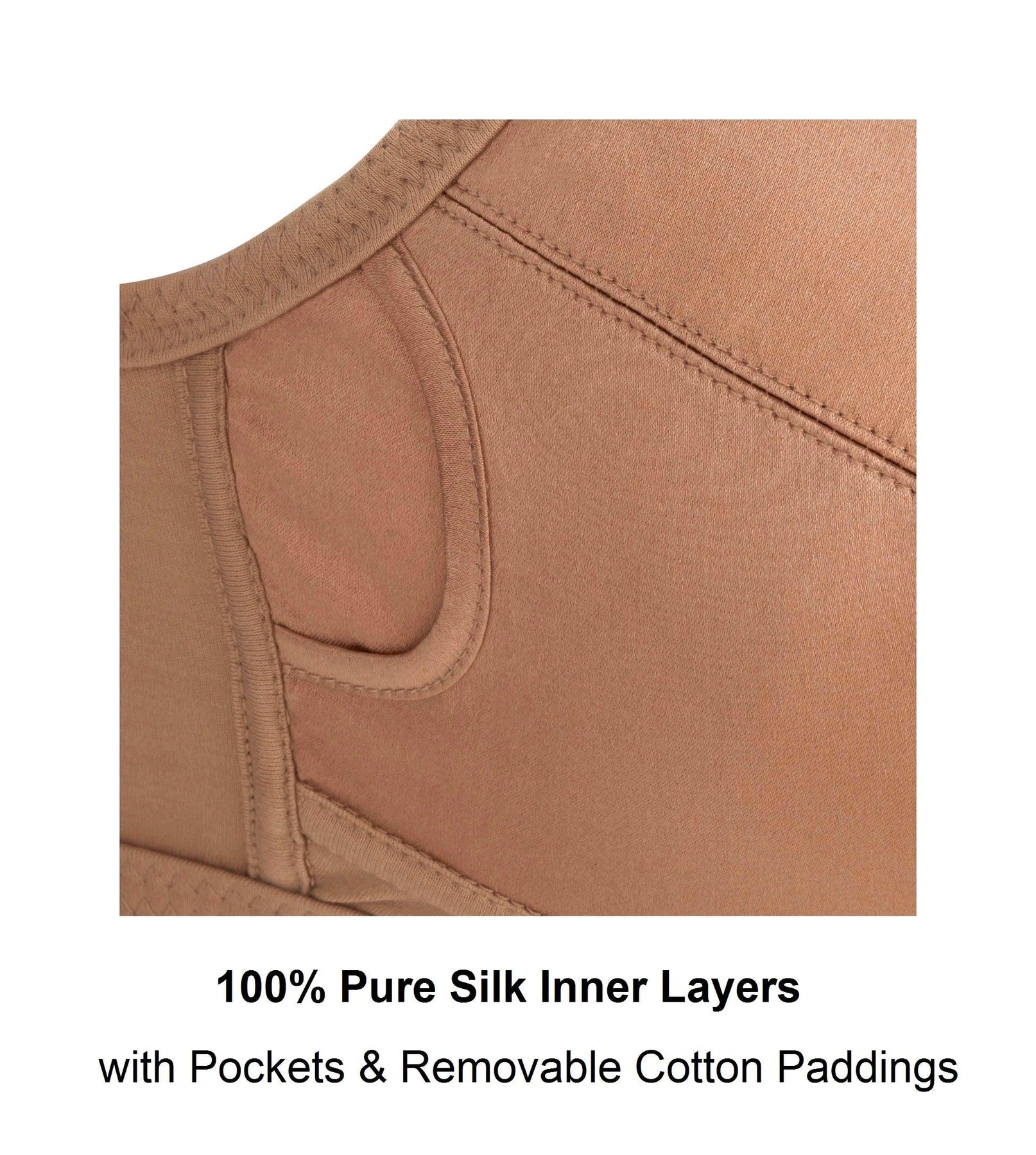
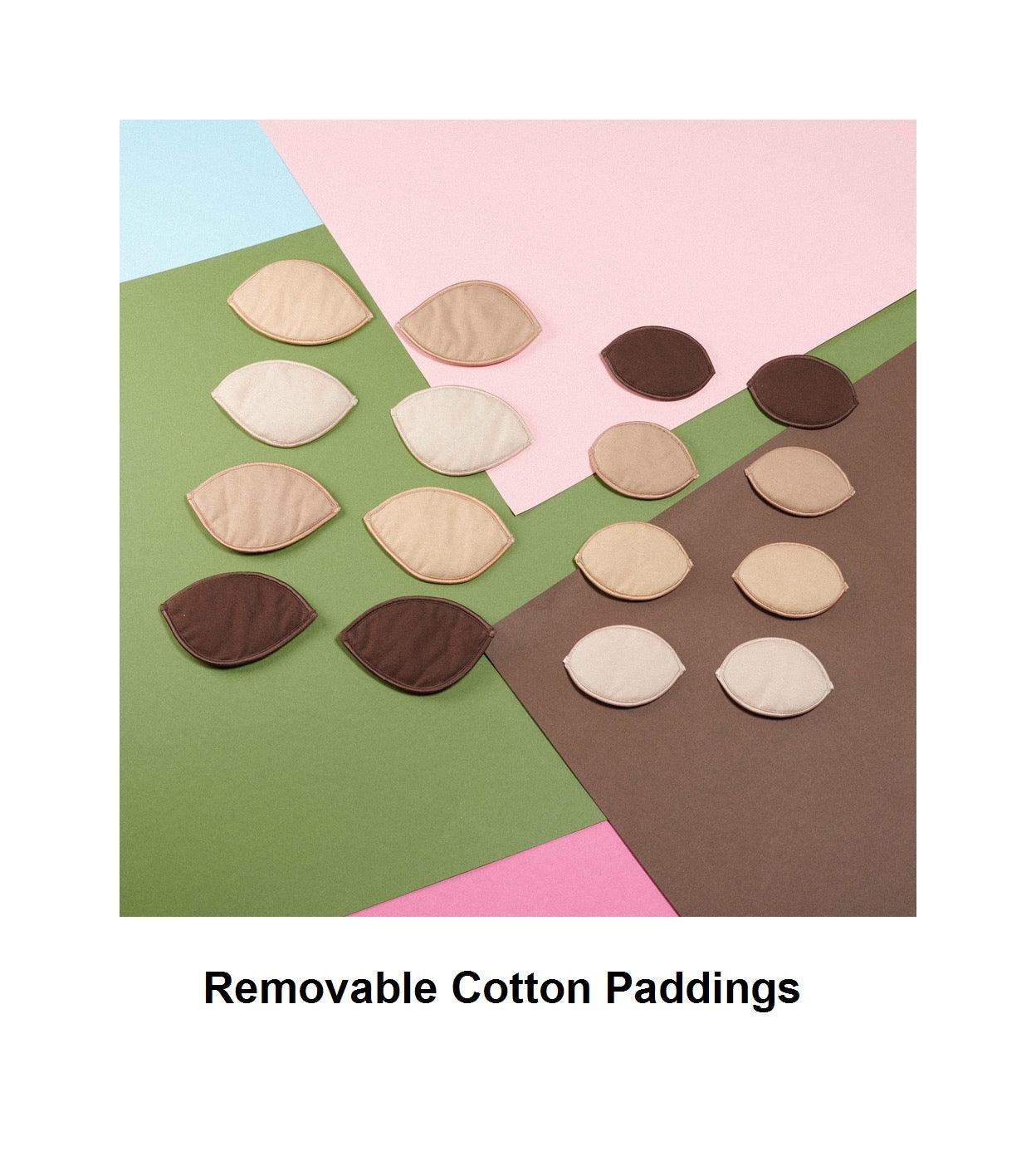
Heat and trapped moisture can make irritation worse. Authoritative dermatology sources identify sweating, friction, moisture, maceration and poor ventilation as common aggravating factors in eczema, irritant dermatitis and intertrigo. Cotton garments are often recommended for atopic dermatitis because they are generally better tolerated on sensitive skin. JulieMay uses organic Pima cotton, 100% pure silk inner bra cup linings and a 100% pure silk inner gusset in its briefs, selected for their softness, breathability and smoother skin feel.
Dye, Detergent and Chemical Sensitivity
Irritation may also result from sensitivity to textile components or manufacturing residues. The European Parliament states that around 3,500 chemical substances are used in textile manufacturing, and more than 350 of them have hazardous properties. The American Academy of Dermatology also notes that some people develop contact dermatitis from formaldehyde in fabrics.
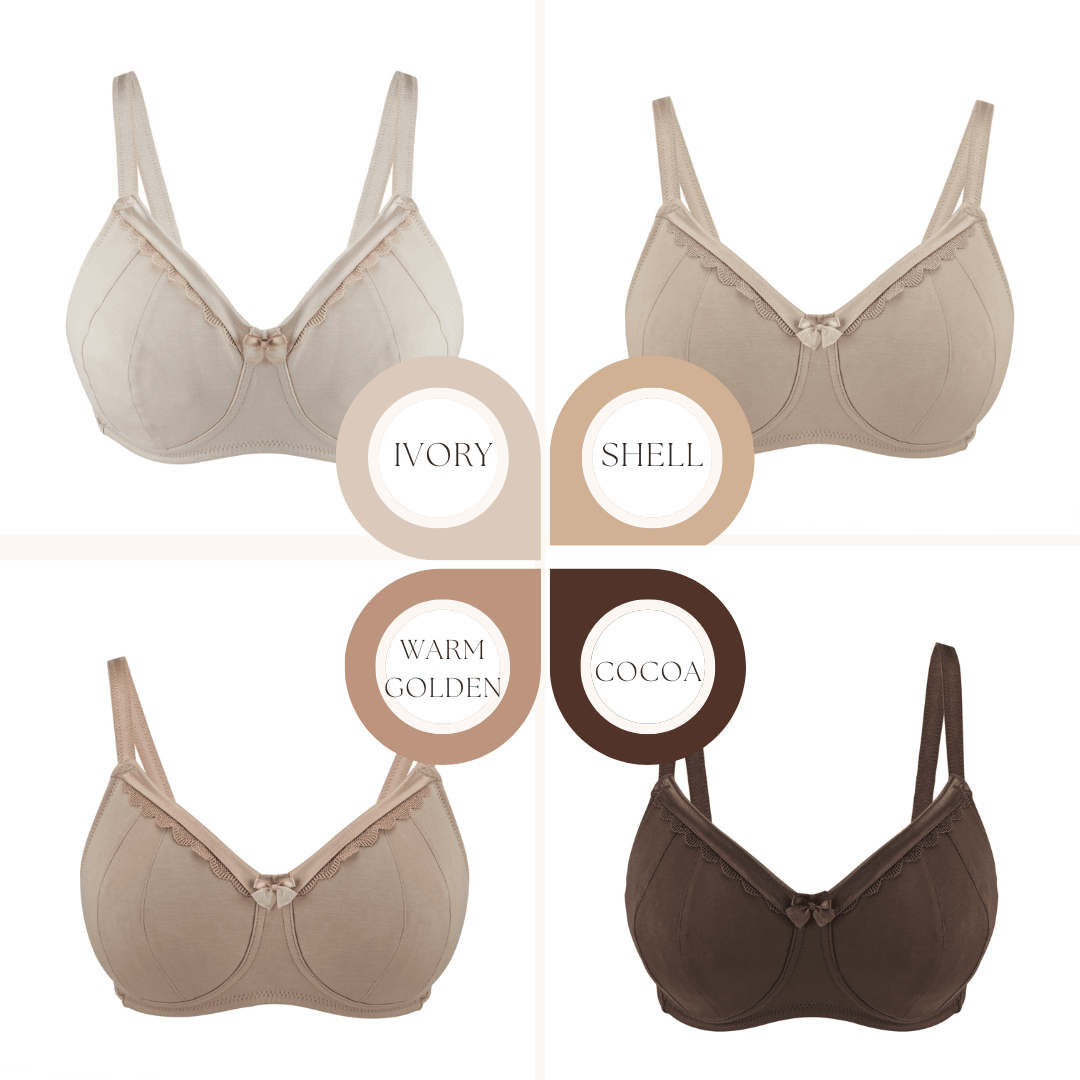
JulieMay uses dye to create bras that feel feminine, but does not use bleach, fixing agents or other harsh chemicals when processing its fabrics. Production is kept in small batches using smaller-scale dyeing methods rather than large industrial vat systems, and finishing steps such as steaming, ironing and washing are carried out by hand. A verified Intertek lab report confirms that 22 harmful chemicals, including formaldehyde and flame retardants, were not detected in JulieMay fabrics. JulieMay is also developing a plant-based dye collection using sources such as annatto, chlorophyll, xanthophyll, radix isatidis, coffee bean, bamboo charcoal and mulberry leaves.
How JulieMay Reduces Irritation Through Construction
- Wrapped straps: straps, underbands and waistbands wrapped in double-layered Pima cotton.
- Enclosed seams: enclosed French seam finishing keeps raw edges away from skin.
- Tag-free design: printed information replaces stitched-in labels.
- Flexible underwire: designed to feel less harsh and rigid.
- Silk linings: 100% pure silk in bra cup linings and brief gussets.