What Makes Lingerie Allergy-Friendly? A Deep Dive into Materials and Allergens
When it comes to lingerie, comfort is a necessity. Your most intimate layers should feel like a second skin, not a source of irritation, but for those with sensitive skin, that's not always the case. Rashes, itching, redness and eczema flare-ups are disruptive and all too common, and more often than not the culprit is hiding in plain sight: your undergarments.
Quick answer: Allergy-friendly lingerie protects sensitive skin from hidden irritants. It uses natural, hypoallergenic fabrics (organic cotton and silk), no latex, nickel or harsh dyes, tagless design, cotton-wrapped elastics and non-metallic wires, ideally backed by dermatologist testing and Allergy UK certification.

What does allergy-friendly lingerie actually mean?
Allergy-friendly lingerie is designed to protect sensitive skin from hidden irritants, minimising friction, itching and allergic flare-ups. The best brands undergo dermatologist testing, receive certifications from trusted bodies like Allergy UK, and make their processes transparent. It's not just about fabric: thoughtful design like tagless interiors and non-metallic components plays a crucial role.
Common allergens found in conventional lingerie
- Latex: often found in elastic bands, it can cause severe reactions.
- Nickel: present in hooks, clasps and wires, one of the most common causes of allergic contact dermatitis.
- Synthetic dyes: can include azo compounds and heavy metals.
- Formaldehyde: used to keep fabric wrinkle-free.
- Synthetic fibres: polyester and nylon trap heat and can irritate the skin.
For a deeper look at specific reactions, see our guides to nickel allergy in bras and contact dermatitis from clothing.
Materials that make lingerie allergy-friendly
Natural, hypoallergenic materials like GOTS-certified organic cotton and pure silk are skin-safe alternatives to chemical-laden synthetics. Organic cotton is breathable, soft and free from pesticides or chemical finishes; pure silk is smooth, naturally antibacterial and moisture-wicking; and JulieMay's acrylic fasteners are safer than nickel. Even thread and lace matter, which is why JulieMay uses cotton threads and cotton lace.
Allergy-friendly design features that make a difference
At JulieMay, we eliminate sewn-in tags (sizing is printed onto the fabric), wrap elastics in cotton, and use non-metallic, bendable wires with no risk of nickel sensitivity. A style like the front-zip Grace bra or our wire-free back-support bras shows how supportive design and skin-safe construction go together, and our Allergy UK certification means our products are tested by dermatologists.
“I'm thrilled with this bra! I've not been able to tolerate bras at all since developing severe allergies several years ago. This JulieMay bra is one I can wear all day and forget I have it on. My skin does not turn red, itch, or develop any sort of rash.” (Amelia R.)

Who needs allergy-friendly lingerie, and why
- Eczema and psoriasis. Eczema affects around 1.3 million people in the UK (5 to 10% of adults); psoriasis affects around 1.1 million.
- Contact dermatitis. A YouGov poll found 1 in 4 Britons have a skin condition; up to 20% experience some form of contact dermatitis.
- Urticaria (hives). Contact urticaria affects about 1 in 5 people at some point, often around the under-bust and waistline.
- Latex sensitivity. Around 4.3% of the general population.
- Menopause and hot flushes. Falling oestrogen leaves skin drier and more reactive.

A closer look at the most common clothing allergens
The four most common clothing allergies are polyester (rashes where fabric rubs), nylon (usually the azo and anthraquinone dyes), latex or elastic (rashes around the waist, ankles and shoulders) and nickel (about 17% of women and 3% of men; cobalt and chromate are also common). Manufacturers also add formaldehyde, dyes, phthalates and flame retardants. Wash new clothes before wearing, identify and replace the materials behind reactions, use an allergy-friendly detergent, and invest in natural pieces; JulieMay's lab report confirms 22 harmful chemicals are not present.

How to choose an allergy-friendly bra
Choose skin-friendly natural fabrics (organic cotton and silk), avoid synthetic fibres, get the right size (our fitting room can help), and shop from reputable, transparent brands. Sweat and friction matter too: trapped underboob sweat can trigger a sweat rash, and friction from a poorly fitting sports bra can cause boob-ne; moisture-wicking cotton and silk keep skin cool and dry. See our guide to friction and sweat bra rashes.
Hypoallergenic underwear: who are they designed for?
JulieMay's allergy-friendly certified collections are designed for people living with specific skin conditions. Eczema and psoriasis: per the NHS, eczema affects around 1.3 million people in the UK. Contact dermatitis: common causes of textile contact dermatitis include fragrances, dyes and bleaches (often Disperse Blue and azo dyes in synthetic liners), latex and elastic chemicals, and polyester; JulieMay uses no bleach, wraps all bands in Pima cotton so no elastics touch the skin, and is free from synthetics. Skin rashes and hives: contact urticaria affects 1 in 5 people, often around the under-bust, waistline and thighs. Menopause: JulieMay's Pima cotton bras cool the skin during hot flushes and reduce contact with irritants.
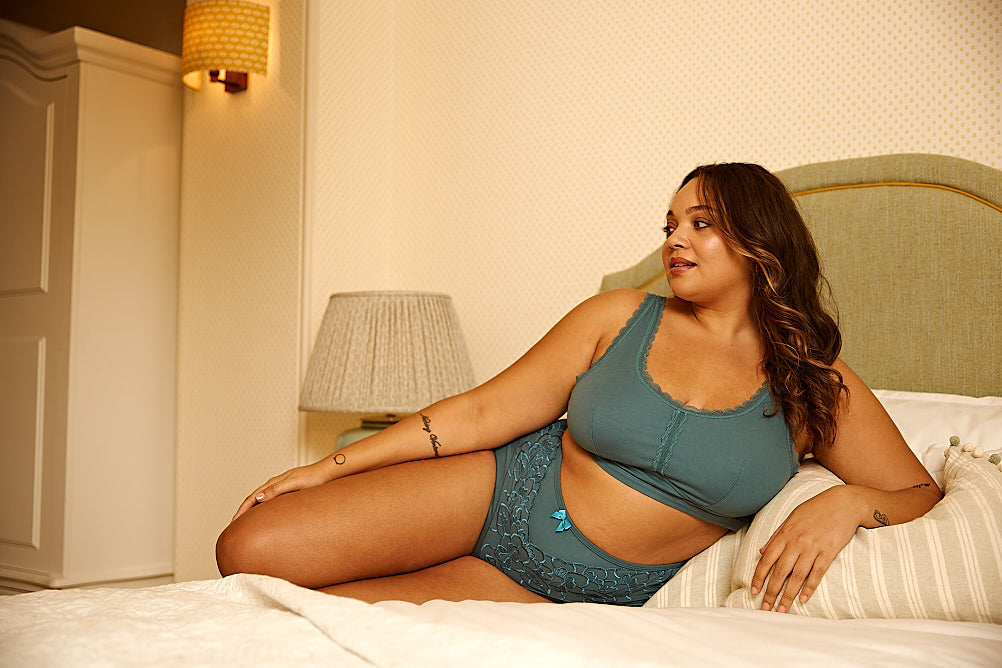
Allergy-free bras: can you be allergic to a bra?
Rashes (especially sweat rash), hives, eczema, psoriasis, intertrigo and boob-ne are common signs of a bra allergy. The five most common culprits: 1. Allergy-inducing fabric (latex, nylon or polyester); 2. Metal clips and hooks (nickel causes a metal allergy in around 17% of women); 3. Harmful chemicals (formaldehyde, dyes, flame retardants); 4. Underboob sweat (can trigger sweat rash or worsen eczema); and 5. Friction from workouts (boob-ne). Hypoallergenic organic cotton bras made from certified organic fabrics are a safer choice.

How to choose the best allergy-friendly bras for sensitive skin
Allergy-friendly bras earn their name from the natural fabrics that make them gentle: organic cotton, silk, hemp, linen and wool. At JulieMay, we make certified organic bras from organic cotton and silk; both are lightweight, breathable, smooth and naturally hypoallergenic. Avoid synthetic fibres, always choose the right size, and shop from reputable, transparent brands that use an environmentally friendly process free from harsh chemicals. Our products are accredited by Allergy UK and dermatologist-approved.

Frequently asked questions
What makes lingerie allergy-friendly?
Natural, hypoallergenic fabrics (organic cotton and silk), no latex, nickel or harsh dyes, tagless design, cotton-wrapped elastics and non-metallic wires, ideally backed by dermatologist testing and Allergy UK certification.
Who is allergy-friendly or hypoallergenic underwear for?
Anyone with sensitive or reactive skin, including people with eczema, psoriasis, contact dermatitis, urticaria, latex or nickel allergies, or skin sensitivity during menopause.
Can you really be allergic to a bra?
Yes. The reaction is usually to latex, nickel hooks or wires, harsh dyes, or synthetic fibres rather than the cotton itself.
What are the most common clothing or lingerie allergens?
Latex in elastic, nickel in hooks and wires, synthetic dyes, formaldehyde finishes, and synthetic fibres like polyester and nylon.
Related reading
- Nickel Allergy in Bras: Symptoms, Causes & Safer Alternatives
- Contact Dermatitis From Clothing: Signs & Fabric Considerations
- Eczema & Psoriasis: Tips For Choosing Allergy-Friendly Underwear
Educational content only; not a substitute for professional medical advice.


